
Summary
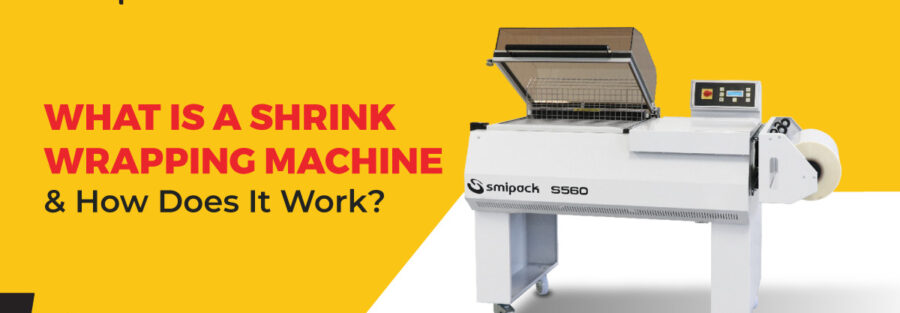
If you’ve ever seen bottles, cans, cartons, or bundled products wrapped tightly in a clear film, that’s shrink wrapping at work. A shrink-wrapping machine applies shrink film to a single product or a group, seals it, and then uses controlled heat to cause the film to contract and form a snug, protective pack. Leading end-of-line OEMs position these systems as a way to create stable, compact multipacks that are easier to handle, palletise, and ship.
What is a shrink-wrapping machine?
A shrink-wrapping machine is packaging equipment that encloses a product (or a bundle of products) in shrink film and then shrinks the film with heat so it conforms tightly to the shape of the pack. The result is a clean, tamper-evident outer layer that enhances protection, bundling, and presentation.
How does a shrink-wrapping machine work?
Here’s the practical “how it works” sequence you’ll see in most production environments.
1) Product grouping and infeed
- Products arrive from upstream equipment (filler, labeller, cartoner, etc.).
- A collation or grouping step creates the required pack pattern (for example, 6-pack, 12-pack, tray + film, or film-only bundle).
- The bundle moves onto the shrink wrapper’s infeed conveyor.
2) Film application
Depending on the configuration, the machine applies film in one of these common ways:
- Centrefold film (film folded in half)
- Sleeve film (tube-like film that forms a sleeve around the bundle)
- Film + tray, where a tray is introduced, and film is wrapped over it (common in beverages and consumer goods).
3) Sealing
The machine seals the film so it fully encloses the product. Many systems use a sealing bar/L-sealer-style sealing unit, designed for consistent seals across varying pack sizes.
4) Shrink tunnel (heat application)
This is where the “shrink” happens. The pack enters a shrink tunnel that applies controlled heat and airflow. The heat triggers the film’s shrink properties, tightening it around the product for a stable pack.
A good tunnel setup is not just “hot air”. It’s managed for:
- temperature consistency
- airflow direction and intensity
- conveyor stability (so the bundle doesn’t shift mid-shrink)
Some industrial designs use chain conveyors and coated rollers suited for heat and smooth product travel.
5) Cooling and discharge
After shrinking, packs cool briefly so the film “sets” in its final shape. Then the bundle exits to downstream processes like:
- case packing
- checkweighing
- palletizing
- stretch wrapping (for pallet stability)
Key Features of Shrink Wrapping Machine
When buyers compare machines, these are the features that consistently matter on a real production floor.
- Shrink tunnel performance
Look for strong control over shrink consistency and product stability through the tunnel. Machine designs may specify tunnel and conveyor construction details to support repeatable results.
- Sealing system quality
Sealing bars and their dimensions influence what pack sizes you can run, plus seal consistency at speed.
- Speed and throughput capability
If you run high-volume lines, you’ll evaluate speed in packs per minute.
- Automation level (semi-auto, automatic)
Semi-automatic systems typically involve manual loading with automated sealing and tunnel shrinking, useful for mixed SKUs or lower volumes.
- Line integration options
In many factories, shrink wrapping is part of a larger end-of-line solution that may include case packing, palletising, and load wrapping. Real-world examples show shrink wrappers installed alongside palletising and stretch wrapping to complete the dispatch flow.
Types of products that can be shrink-wrapped
A wide variety of products can be shrink-wrapped, including:
1. Consumer Goods:
- Bottles (cosmetics, beverages, etc.)
- Cans (food and beverages)
- Food items (snack packs, trays, etc.)
- Cosmetics and personal care products
- Small appliances and electronics
2. Industrial Products:
- Spare parts and tools
- Heavy-duty equipment
- Bulk items (e.g., industrial machinery components)
- Cartons and boxes for shipping
3. Retail Products:
- Books and stationery
- Gift items or bundled products (e.g., holiday sets)
- Toys and games
- Apparel (e.g., shirts, sweaters)
4. Multipacks and Bundles:
- Grouped cans, bottles, or boxes
- Household product packs (e.g., toilet paper, paper towels)
5. Pharmaceutical and Healthcare Products:
- Blister packs for tablets and capsules
- Medical devices and supplies
- Syringes and vials
- First aid kits and health bundles
Shrink wrapping can be used on practically any product that needs to be bundled, protected, grouped, or sealed for storage, handling, or retail presentation. The versatility makes it suitable for small- to large-scale applications across various industries.
Types of Shrink Wrapping Machine
There isn’t one “standard” shrink wrapper. Here are the most common categories you’ll see in manufacturing.
1) Semi-automatic shrink wrapping machines
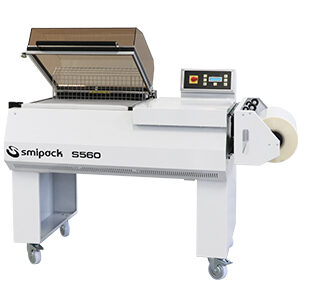
Best for: growing production lines, frequent changeovers, and varied SKUs.
The operator loads or positions products, while the system handles sealing and tunnel shrinking.
2) Automatic shrink wrappers (end-of-line)
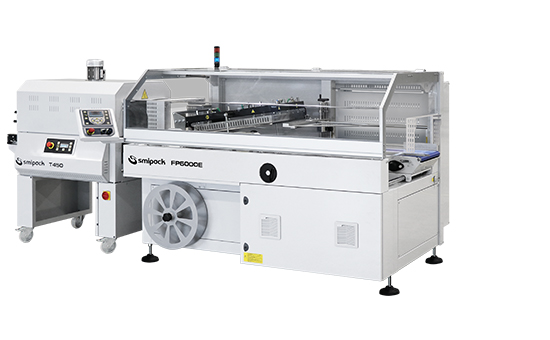
Best for: consistent high-volume production.
These are conveyorised systems with automatic infeed, film handling, sealing, tunnelling, and discharge.
How to select the right shrink wrap machine?
If you’re evaluating vendors, here’s a simple decision framework that prevents expensive “almost-right” purchases. And yes, it also helps you answer “What is a shrink-wrapping machine?” in a buying context, not just a definition.
1) Define your pack type and goal
- Are you bundling bottles/cans?
- Do you need tray + film or film only?
- Is your priority protection, shelf appearance, shipping stability, or all three?
2) Lock your required speed (today and next 24 months)
Don’t buy for today’s output only. Map line speed to required packs/min and consider buffer for growth. Many mid-to-high-speed systems are built for high throughput ranges, but only if your upstream/downstream flow supports it.
3) Check changeover reality
If you run multiple SKUs, changeover time becomes a hidden cost. Look for:
- recipe storage
- easy access to settings
- consistent repeatability across cycles
4) Validate tunnel quality for your product
Heat and airflow must match your film and product stability. Tall, lightweight, or unstable bundles need careful tunnel tuning and conveyor support to avoid pack shifting.
5) Measure utilities and footprint
Confirm power requirements, compressed air needs, available floor space, and line layout. In end-of-line areas, layout mistakes are expensive.
6) Think in “line integration”, not just a single machine
Shrink wrapping is typically part of a dispatch chain: packing → palletising → load stabilisation. Real deployments often pair shrink wrappers with downstream automation like palletisers and stretch wrappers.
7) Don’t ignore safety and serviceability
Ask about guarding, interlocks, training, spares availability, and maintenance access. A machine that is fast but hard to maintain will hurt uptime.
The Durapak Difference: Better Wraps, Faster Dispatch, Less Downtime
At Durapak, we help manufacturers choose and deploy shrink-wrapping solutions that actually match their production reality. If you want shrink wrapping as a dependable part of your dispatch line, Durapak provides multiple shrink wrapping formats, such as chamber type, semi-automatic L-sealer tunnel, sleeve wrapper, automatic L-sealer tunnel, and side seal variants, along with guidance on matching the right solution to your packaging needs.
If you’re trying to decide what shrink wrapping machine is for your specific use case, the fastest path is a quick requirement mapping: product, pack pattern, speed, and available space. We also help our customer with recommendations, support, installation and service.
Final Thoughts
A shrink-wrapping machine is one of the most practical upgrades for manufacturers who want cleaner packs, better protection, faster bundling, and more consistent dispatch quality. The right machine improves pack integrity, streamlines handling, and makes palletising and shipping cleaner and more reliable. Want help choosing the right shrink wrapper for your product size and packs-per-minute target? Talk to Durapak for a line recommendation and ROI estimate.
FAQ Related To Shrink Wrapping Machines
1) What is a shrink wrapping machine used for?
To wrap products in shrink film, seal it, and heat-shrink it into a tight protective pack.
2) Does shrink wrap provide tamper evidence?
Yes, a tightly sealed shrink pack makes tampering more visible compared to loosely wrapped packaging.
3) What’s the difference between shrink wrap and stretch wrap?
Shrink wrap shrinks with heat; stretch wrap stretches and holds by elastic recovery (commonly for pallets).
4) Which film is most commonly used?
Polyolefin (POF) is widely used across many shrink-wrapping applications.
5) What causes wrinkles in shrink wrapping?
Usually uneven airflow/heat distribution, wrong belt speed, or poor film tension and centring.
6) Can I shrink wrap without a machine?
Yes, for low volumes you can seal a shrink bag and use a heat gun, but production lines typically move to tunnels for consistency.